Welcome!
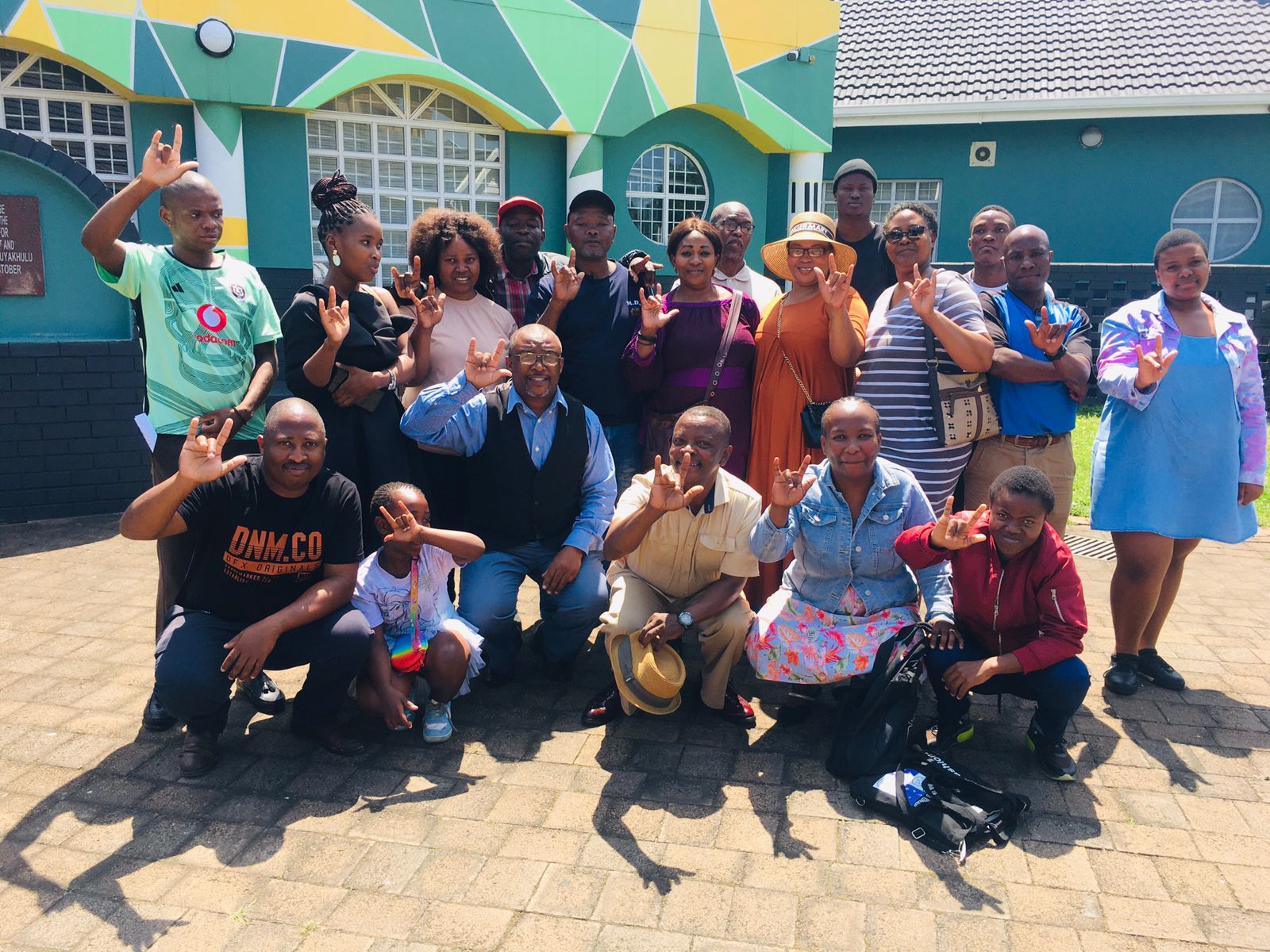
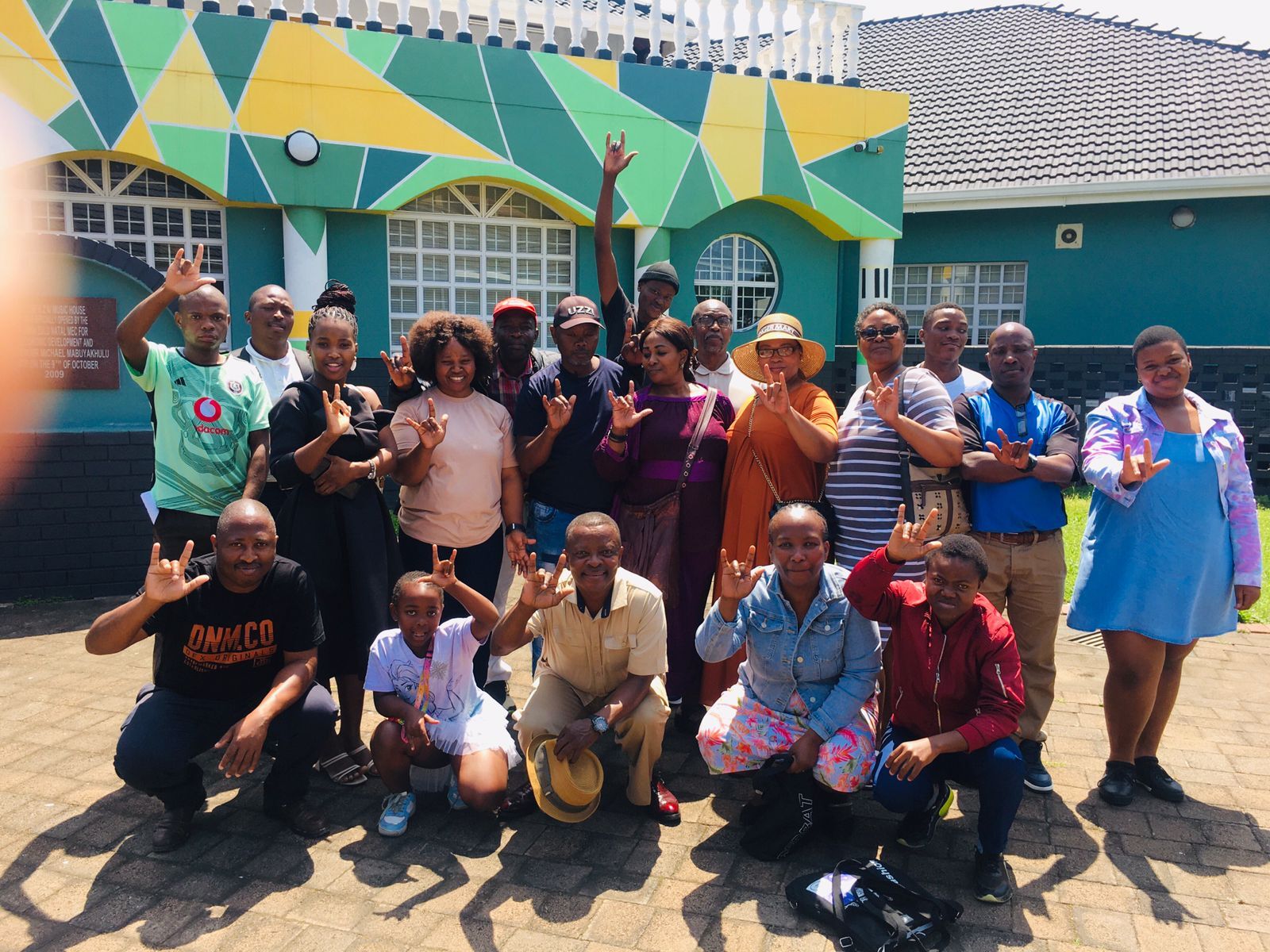
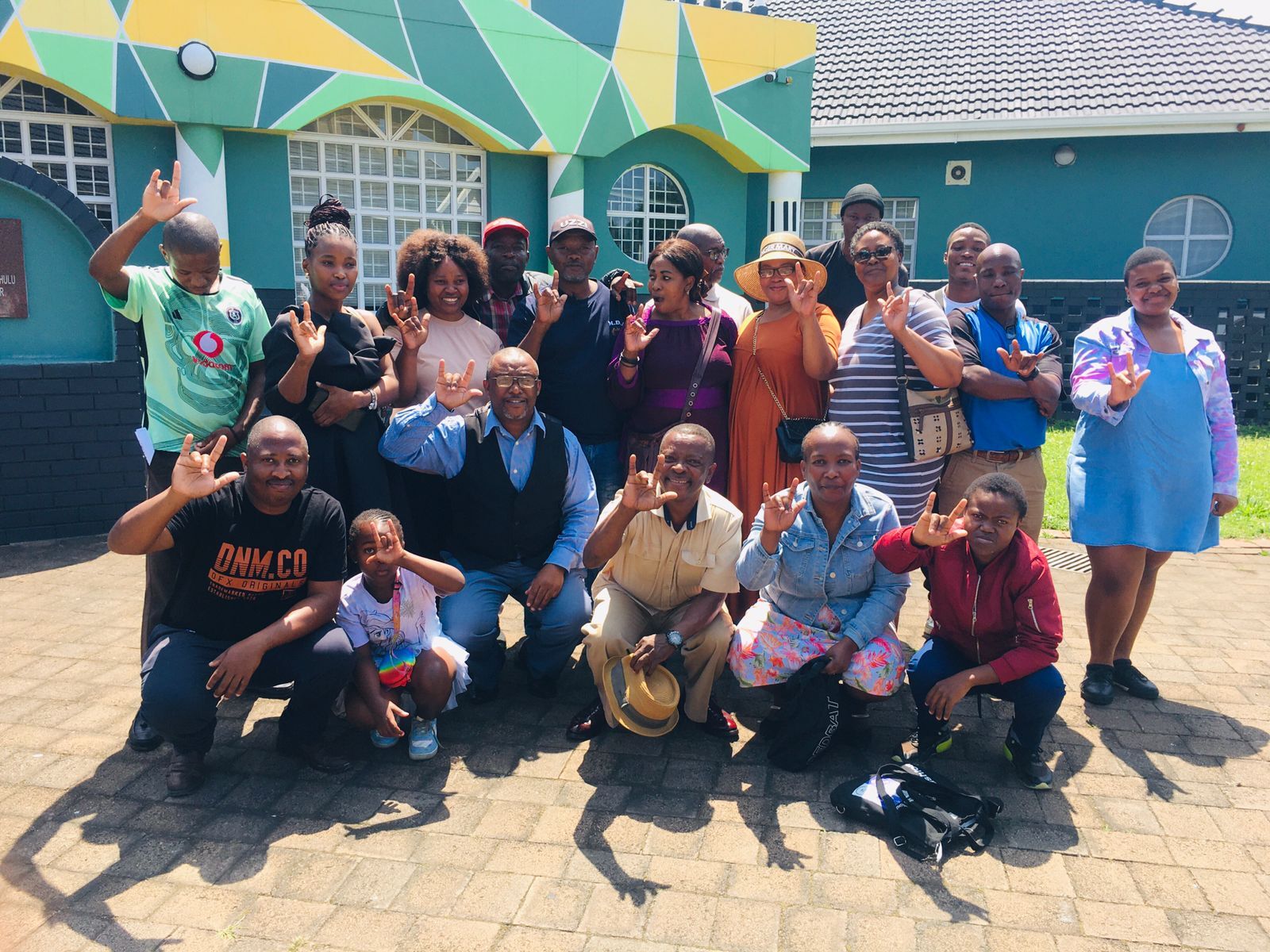
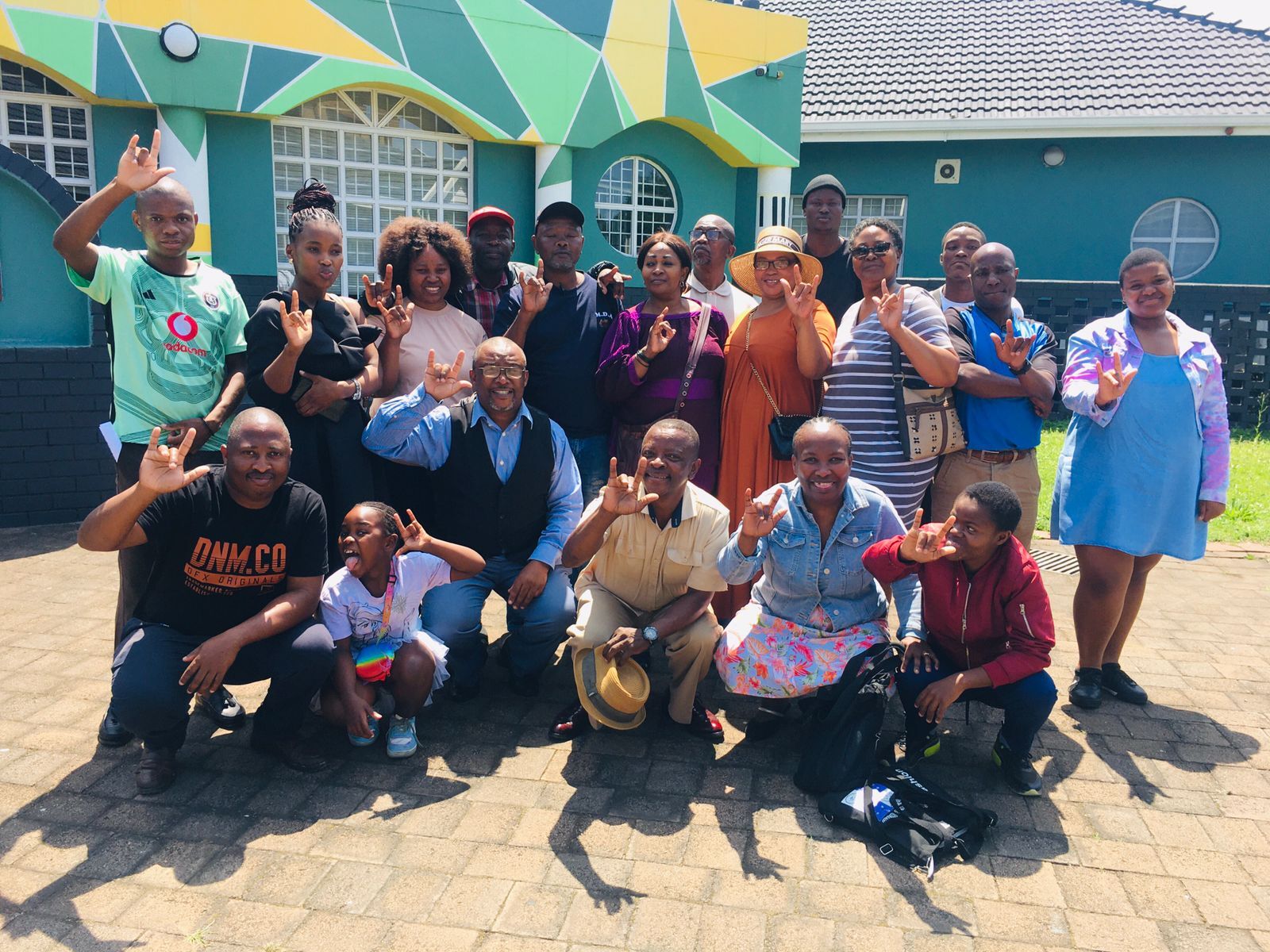
At Deaf Hands, Crafted Goods, we are dedicated to fostering a supportive environment for Deaf artisans to excel in their craft. Our business development service focuses on nurturing creativity and entrepreneurship within the Deaf community. By offering mentorship, training, and access to markets, we aim to empower artisans to turn their passion into successful business ventures. Join us in championing diversity and empowerment through the art of handmade goods.
Services
Business Mentoring, Resources & Advocacy and Skills Development
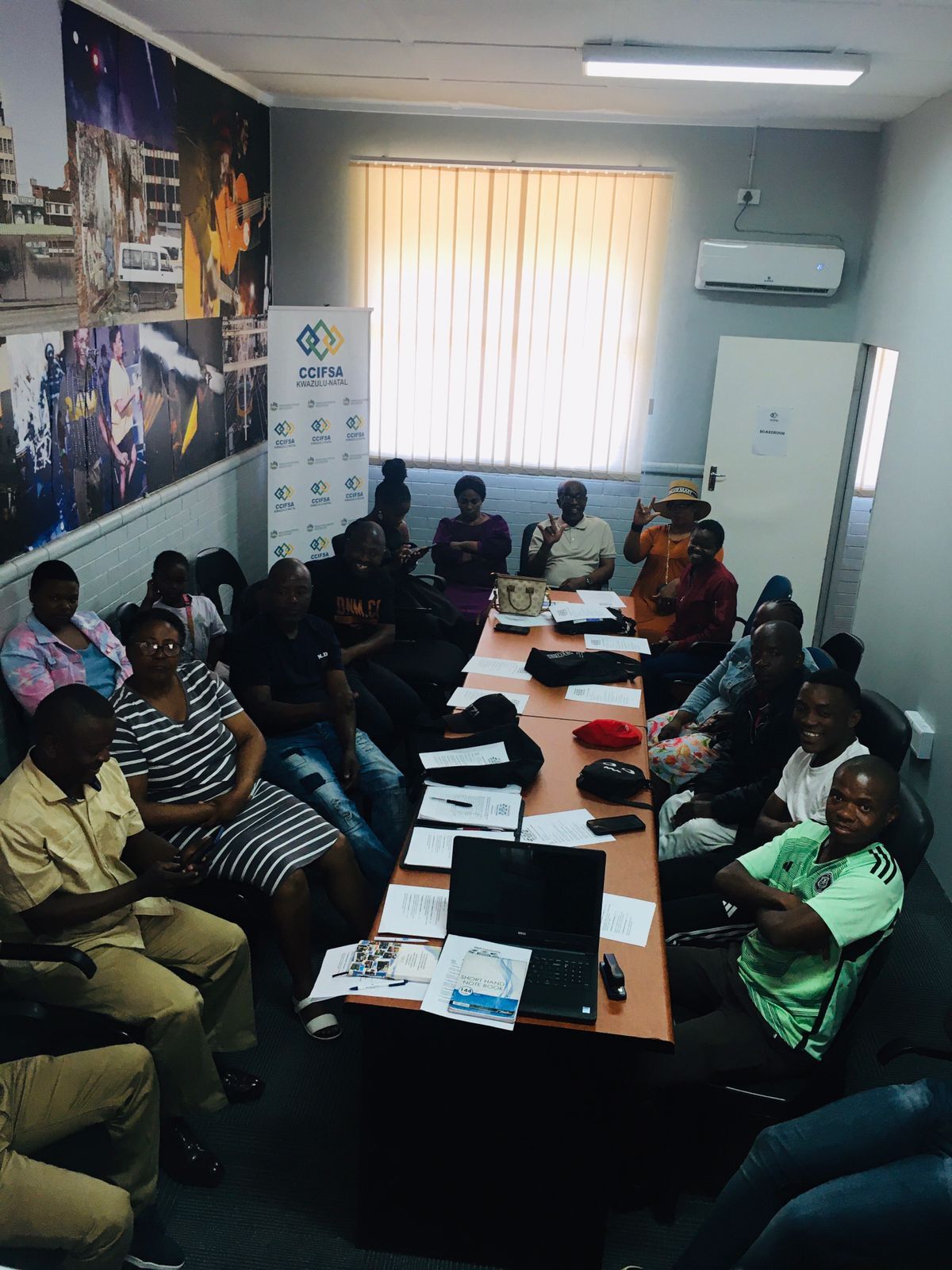
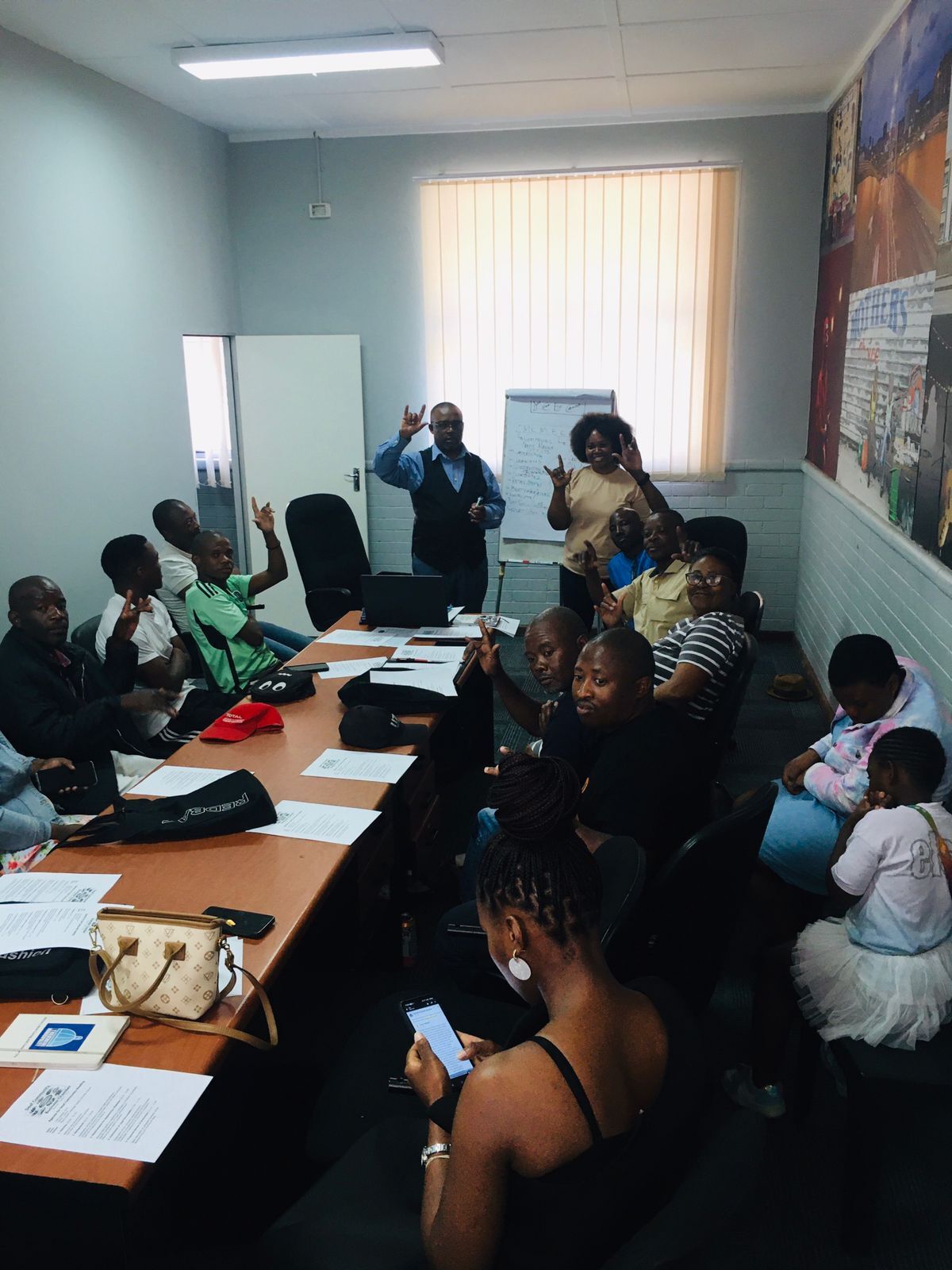
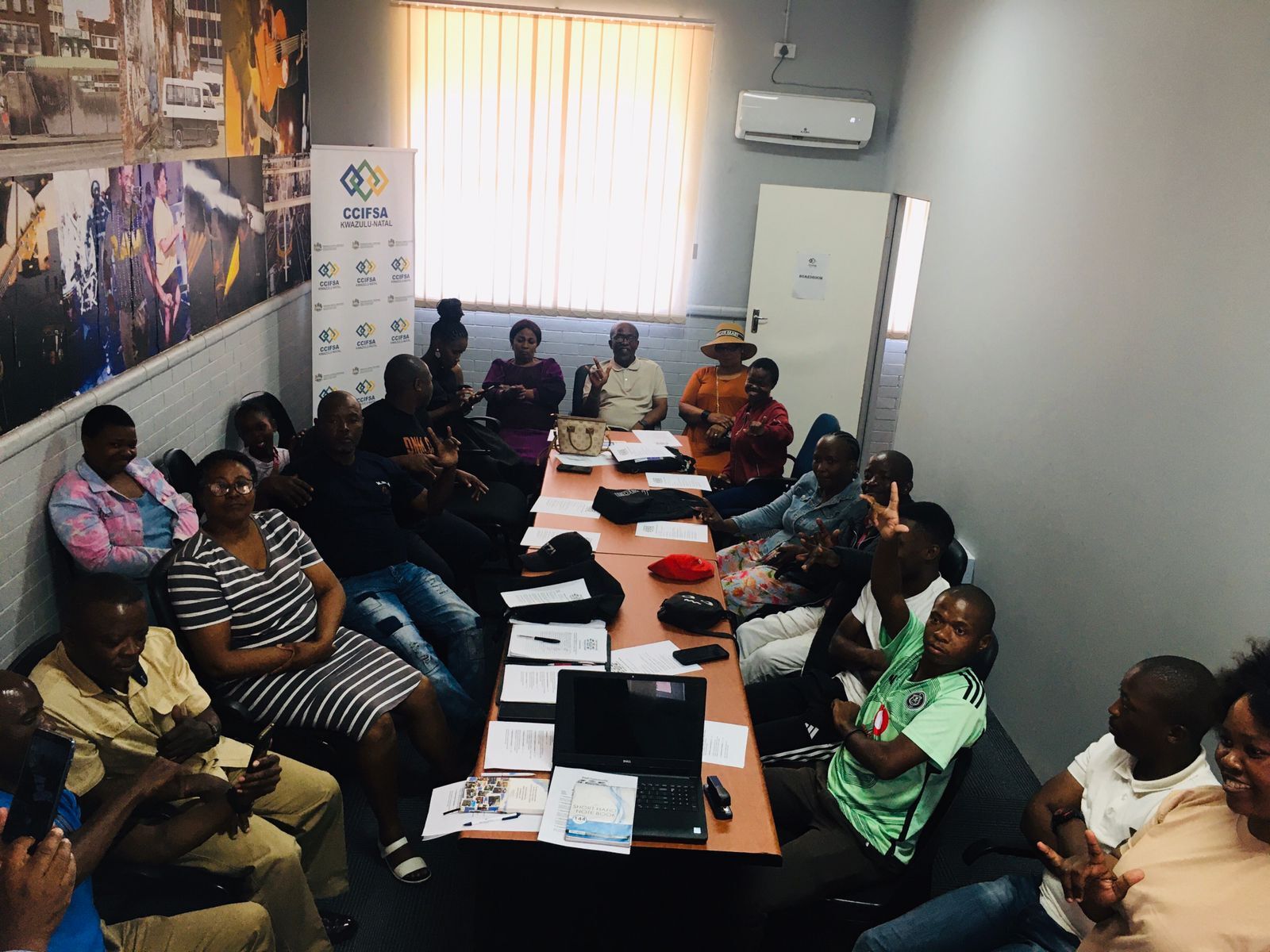
Business Mentoring Mentoring provides guidance, support, and encouragement from experienced entrepreneurs to those just starting out. Example: A local business association sets up a mentorship program where established Deaf business owners volunteer to mentor new entrepreneurs. They meet regularly, set goals, and review progress. This can include shadowing, workshops, and one-on-one sessions. Resources & Advocacy Access to resources and advocacy ensures that Deaf entrepreneurs have the tools and support they need to succeed. Resource Hubs: Creating digital platforms specifically for Deaf entrepreneurs, offering downloadable resources such as business plan templates, funding options, marketing strategies, and legal advice. Example: A website that provides webinars on business management, a directory of Deaf-friendly financial advisors, and access to grants and loans. Advocacy Initiatives: Working with national advocacy groups to lobby for policies that support Deaf-owned businesses. This could include tax incentives, grants, and inclusive economic policies. Example: Partnering with government and non-profit organizations to create a grant program specifically for Deaf entrepreneurs, providing financial support and reducing regulatory barriers. Skills Development Providing opportunities for Deaf individuals to learn and grow through workshops, training sessions, and hands-on experience. Workshops and Training: Offering sessions on essential business skills such as financial management, digital marketing, and customer service, all provided with SASL interpretation. Example: A quarterly series of skill-building workshops hosted by a local business incubator, where Deaf professionals gain hands-on experience and receive certificates upon completion. Workshops and Training We offer comprehensive, accessible sessions aimed at equipping Deaf entrepreneurs with essential business skills. These sessions are inclusive and fully interpreted in South African Sign Language (SASL). Here's how they work in practice: Financial Management Practical Focus: Participants learn to manage finances through real-world scenarios, covering budgeting, bookkeeping, financial statements, and securing funding. Interactive Sessions: Hands-on activities, such as creating a business budget or financial plan, allow participants to apply concepts immediately. Expert Guidance: Financial experts provide one-on-one sessions to address specific queries and challenges faced by Deaf entrepreneurs. Example: A workshop on managing cash flow, featuring interactive exercises and Q&A with an experienced financial consultant. Digital Marketing Content Creation: Sessions include strategies for creating engaging content, utilizing social media platforms, and understanding SEO. Campaign Management: Training on planning, executing, and analyzing marketing campaigns. Analytics: Tools and techniques for tracking online performance and adapting strategies. Example: A virtual class where participants develop and launch a social media campaign for their business, with step-by-step guidance from a marketing professional. Customer Service Communication Skills: Techniques for effective customer interactions, including handling complaints and building client relationships. Service Excellence: Best practices for creating a welcoming and efficient customer experience. Role-Playing: Simulated customer service scenarios to practice and refine skills. Example: An in-person workshop with role-playing exercises, where participants practice resolving common customer service issues under the guidance of a seasoned customer service trainer. SASL Interpretation Inclusivity: Every session is interpreted in SASL, ensuring full accessibility for Deaf participants. Interactive Learning: Participants can ask questions and engage in discussions in their preferred language. Resource Materials: Supporting materials, such as slides and handouts, are provided in SASL where possible. Example: A digital marketing workshop with live SASL interpretation, allowing participants to interact seamlessly with the instructor and peers. By combining these elements, our workshops and training sessions not only build essential business skills but also ensure an inclusive and supportive learning environment for Deaf entrepreneurs. This holistic approach empowers participants to confidently apply their new knowledge and skills in their businesses. Combining these initiatives creates a robust support system that not only helps Deaf entrepreneurs start their businesses but also ensures their sustained growth and success.
SASL Courses, Interpreting and Translation & Accessibility Solutions
Promoting effective communication and inclusivity through South African Sign Language (SASL) involves various comprehensive initiatives: SASL Courses Online Courses: Flexible, self-paced SASL courses accessible from anywhere. These courses feature interactive video lessons and live online sessions. For instance, an online beginner’s course that covers basic vocabulary and common phrases. Virtual Courses: Conducted live via platforms like Zoom, these classes enable real-time interaction and practice with instructors and peers. An example would be a weekly virtual class focusing on conversational skills and advanced sign language techniques. On-Site Courses: In-person workshops held at various locations, providing hands-on learning experiences. An example could be a weekend intensive course aimed at professionals looking to improve their SASL proficiency. Interpreting and Translation Services Online Interpreting: Providing SASL interpreting through video conferencing tools, ensuring Deaf individuals can participate in online meetings, webinars, and virtual events. An example might be interpreting services for a live-streamed conference. Virtual Translation: Offering real-time SASL interpreting for virtual platforms, enhancing accessibility during remote working and online communication. This could include translating a company’s internal training videos into SASL. On-Site Interpreting: Deploying SASL interpreters for events, meetings, and conferences to facilitate effective communication and inclusion in physical settings. An example would be providing interpreters for a community town hall meeting. Accessibility Solutions Coordination of Accessible Information: Ensuring all materials, including websites, documents, and public information, are available in SASL or have SASL translations. For example, creating a SASL version of an organization’s onboarding materials. Facilitation of Services: Training service providers and staff in basic SASL to improve direct communication with Deaf clients and customers. An example might be a hotel staff training program that includes basic SASL. Accessible Information: Providing critical information in an accessible format, such as videos with SASL translation, to ensure Deaf individuals are informed and included. This could include translating public service announcements into SASL. By offering a range of courses and services, these initiatives ensure that Deaf individuals are empowered to fully participate in society, fostering a more inclusive environment for all.
Handcrafted Goods Production & Repair, Maintenance and Construction.
We specialize in the production of high-quality handcrafted goods as well as providing services in repair, maintenance, and construction. This combination not only creates employment opportunities for Deaf individuals but also equips them with valuable skills. Handcrafted Goods Production Jewelry: Designing and creating unique pieces like necklaces, bracelets, and earrings. Baskets: Weaving various types of baskets for both functional and decorative uses. Corporate Gifts: Crafting personalized corporate gifts that are perfect for any occasion. Ceramics: Producing beautiful ceramic items such as vases, bowls, and decorative pieces. Wooden Sculptures: Carving intricate wooden sculptures and art pieces. Carpentry: Custom-made furniture and wooden décor, including chairs, tables, and cabinets. Repair and Maintenance Services Furniture Repair: Restoring damaged furniture to its former glory. Electrical Maintenance: Offering minor electrical repairs and maintenance. Plumbing Services: Providing basic plumbing repairs and maintenance tasks. Construction Services Home Renovations: Undertaking home renovation projects, including kitchen and bathroom remodels. Custom Carpentry: Building custom wooden structures like decks, fences, and pergolas. General Construction: Offering construction services for small to medium projects, focusing on quality and craftsmanship. By combining these diverse services, we not only meet a wide range of client needs but also empower Deaf individuals with skills that can lead to financial independence and personal growth.
Testimonials
Contact
- g1212 house, no. 4 Tsitsi Mashinini Road, Umlazi G, Umlazi, South Africa
 +27-0682265903 - Durban Branch Office
- deafventures24@gmail.com
- Mon-Fri - 08:00-17:00
Empowerment Through Creativity.